19 August 2026
Essay · 4 min
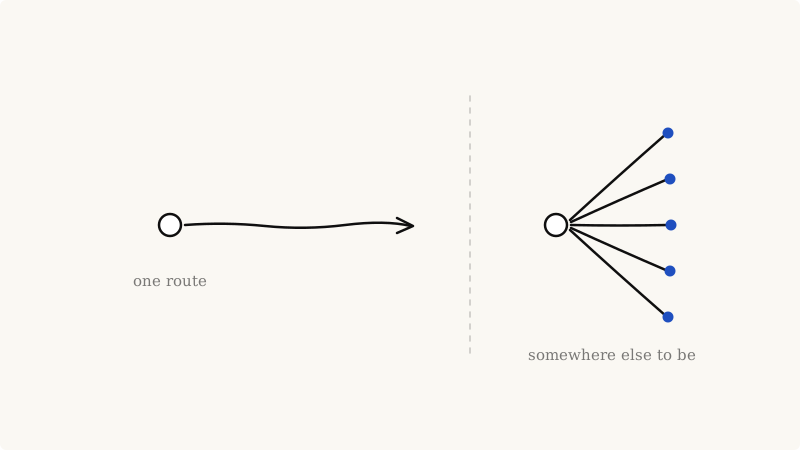
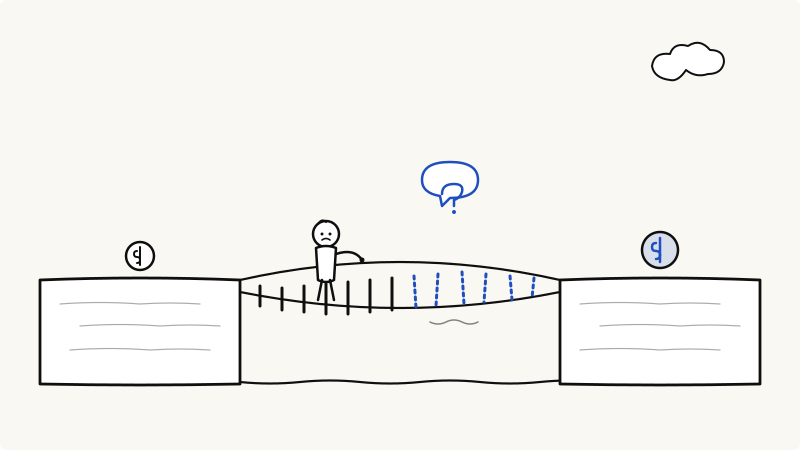
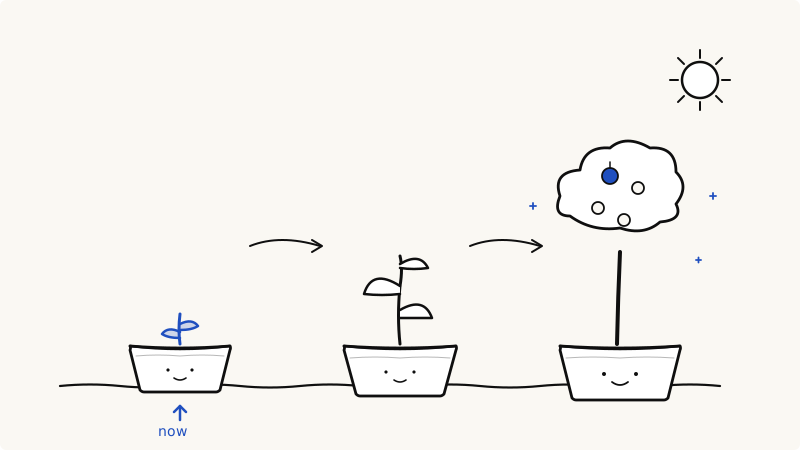
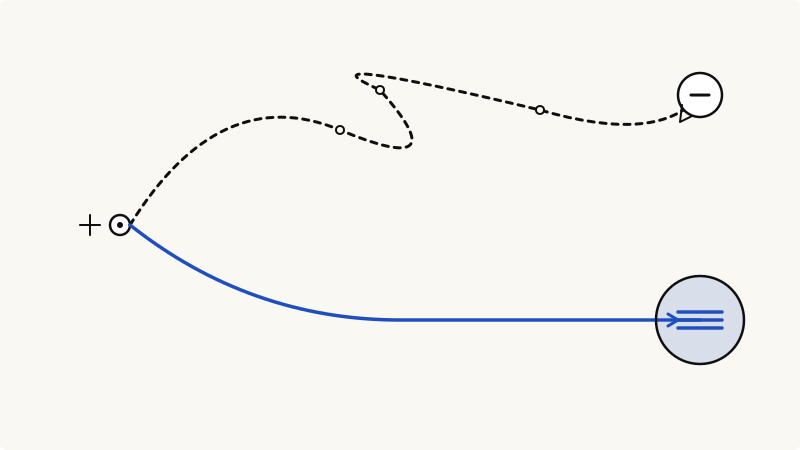
Preparation is usually sold as the route to a better number. It is really the route to a wider set of choices. The number comes out of those.
Read essay
28 July 2026
Essay · 4 min
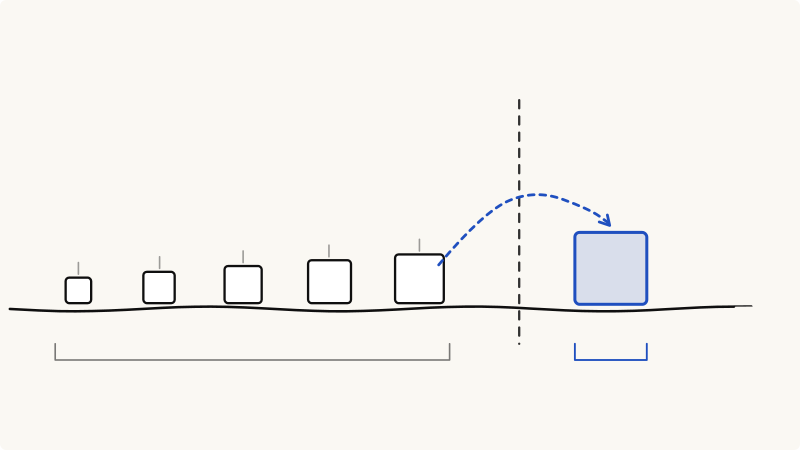
Australia's mandatory merger regime commenced on 1 January. The thresholds are large enough that most mid-market vendors read them once and conclude it has nothing to do with them. It reaches them anyway, through the buyer.
Read essay
11 May 2026
Essay · 4 min
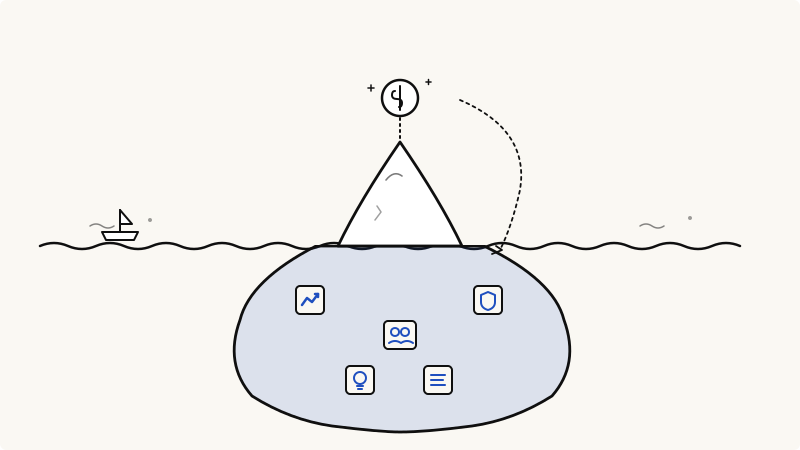
Most owners assume buyers pay for revenue or "the brand." They don't. They pay for a specific set of measurable things and the gap between what owners think drives value and what actually does is one of the biggest reasons sale outcomes disappoint.
Read essay
28 April 2026
Note · 3 min
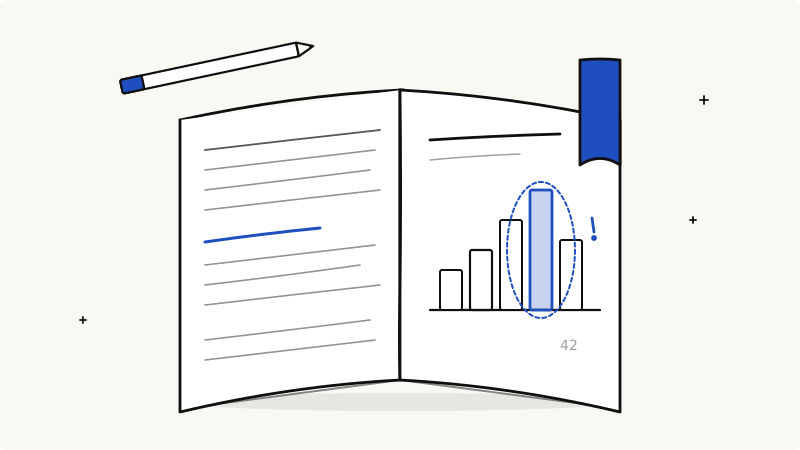
A valuation report is a story told in numbers. The owners who can read the story make better decisions. The ones who can't tend to either over- or under-value their own business, both expensive errors.
Read note
14 April 2026
Essay · 4 min
When a buyer offers an earn-out, they're asking you to remain partially invested in the business they're buying. Done well, earn-outs bridge price gaps and align incentives. Done badly, they trap sellers in arrangements where the lever is in the buyer's hand and the risk is in the seller's.
Read essay